Posts tagged ‘china’
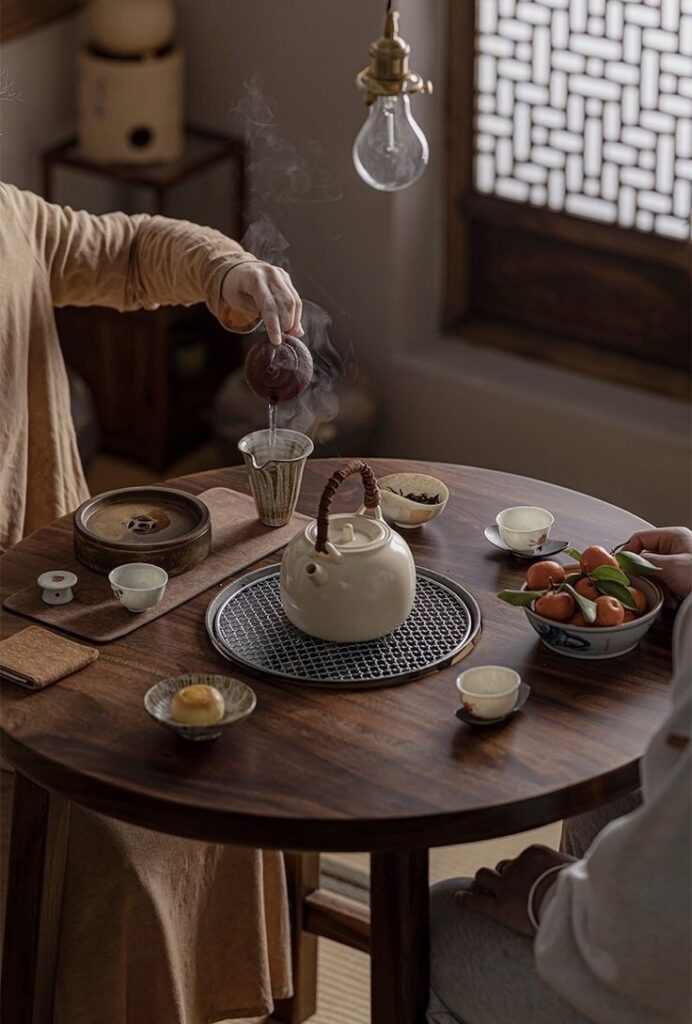
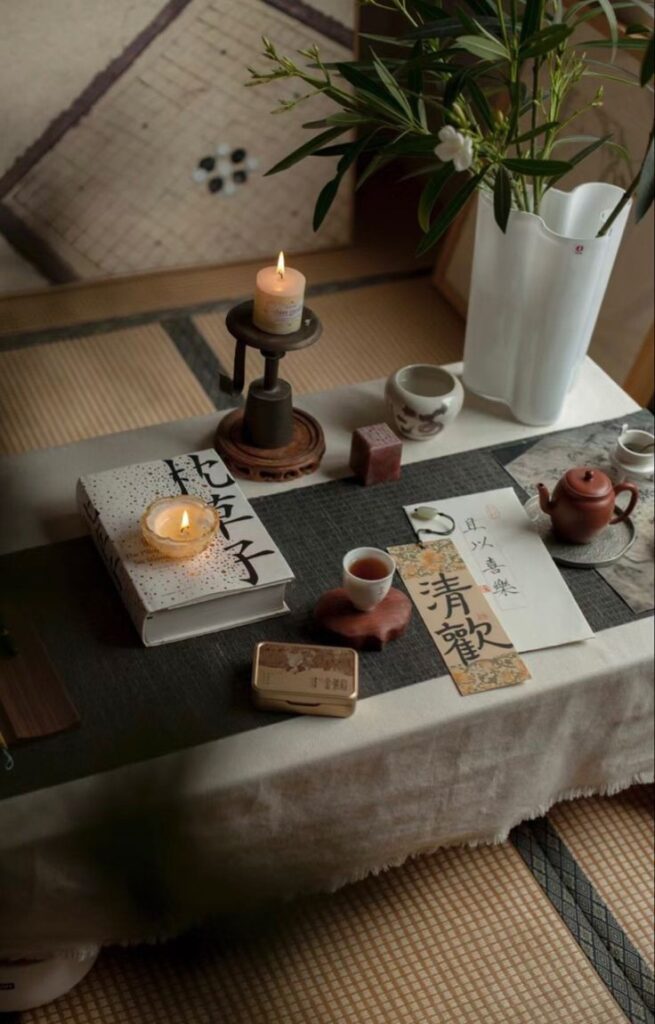
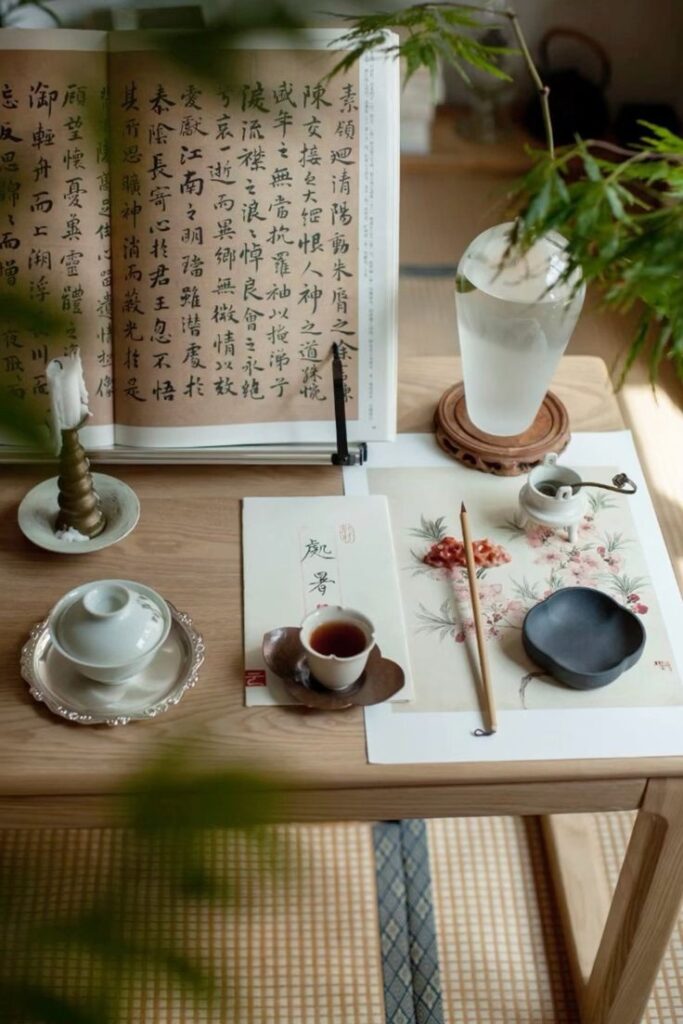
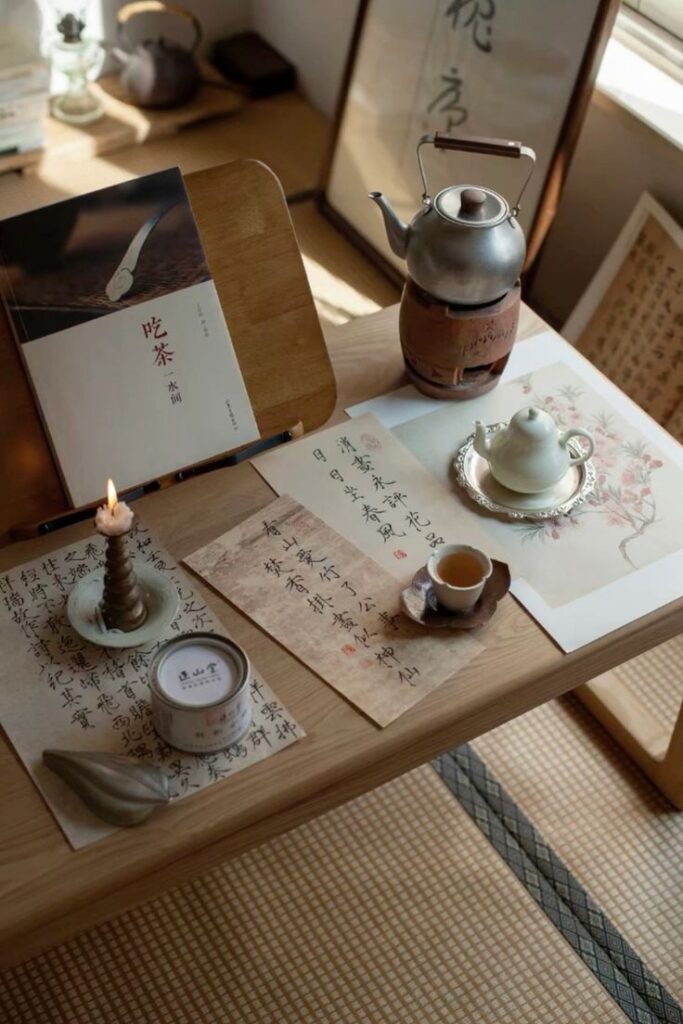
Posted by Vika Magnitskaya on 1 апреля, 2024 at 9:40 under art & design.
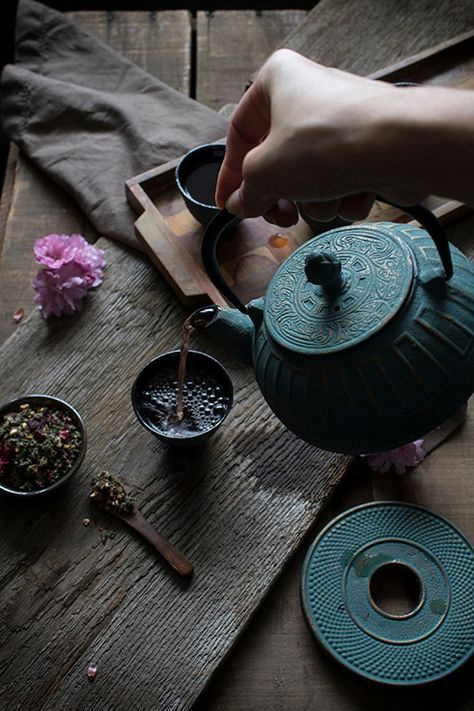
Tags: Asian, books, calligraphy, china, I love Asia, photo, tea, traditional
Posted by Vika Magnitskaya on 10 февраля, 2024 at 8:01 under art & design.
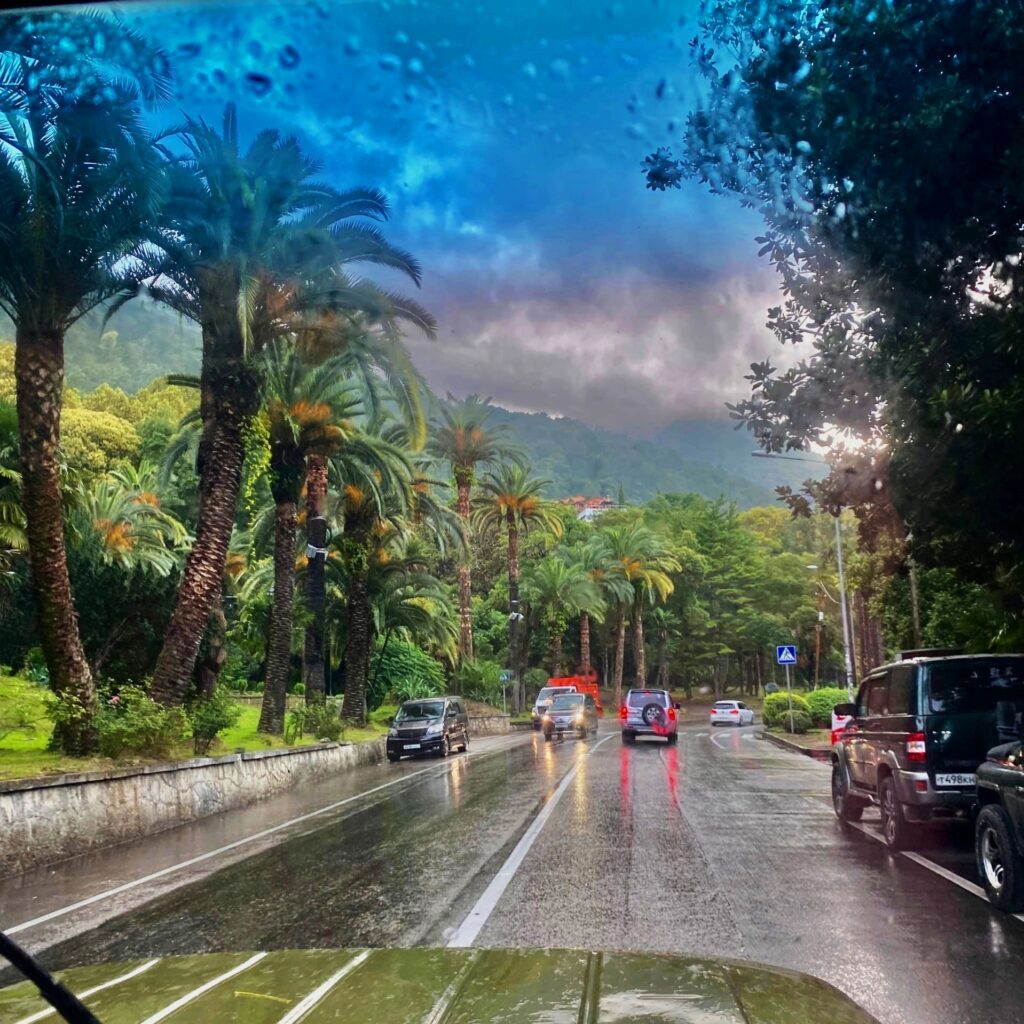
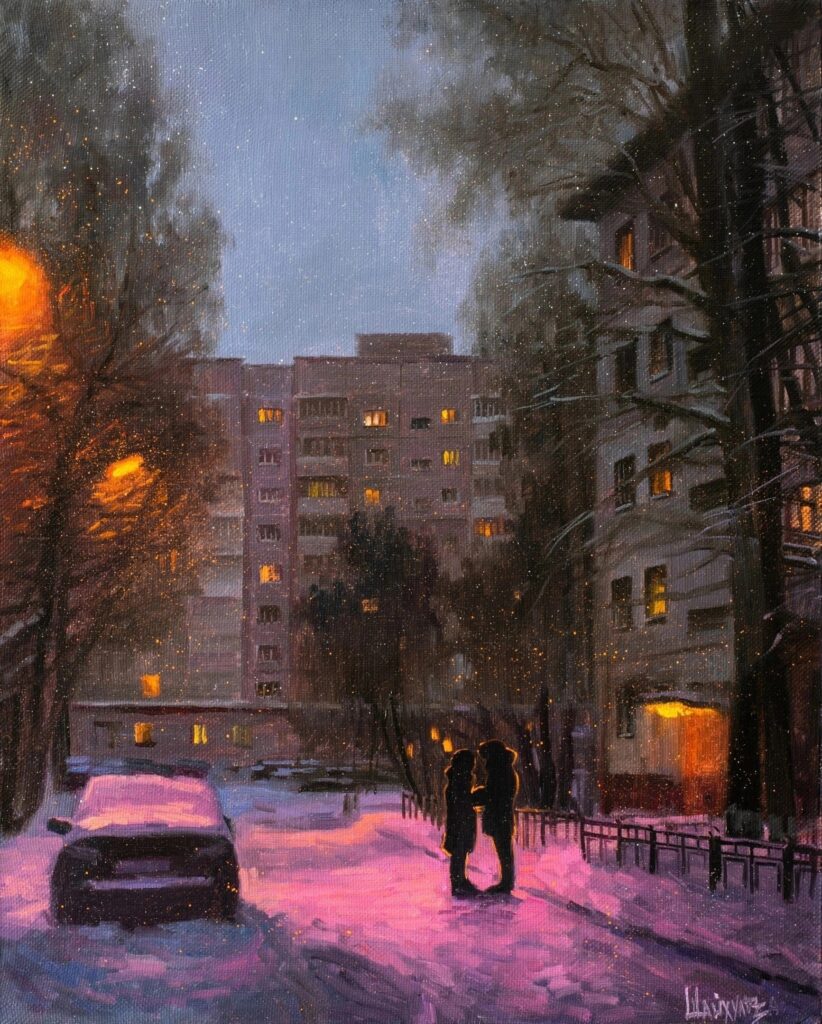
Tags: beach, child, china, city, life, palm, photo, realism, russia, winter
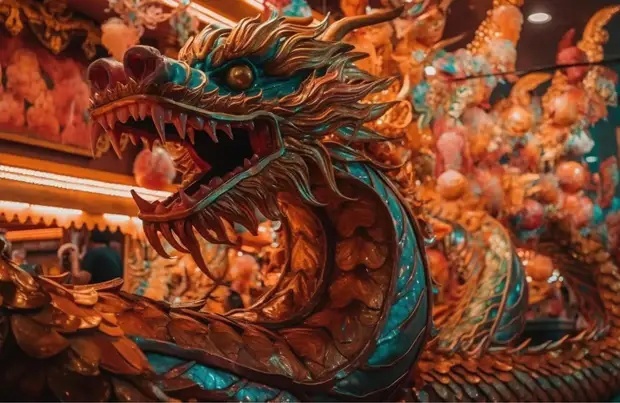
Posted by Vika Magnitskaya on 16 января, 2024 at 7:59 under art & design.
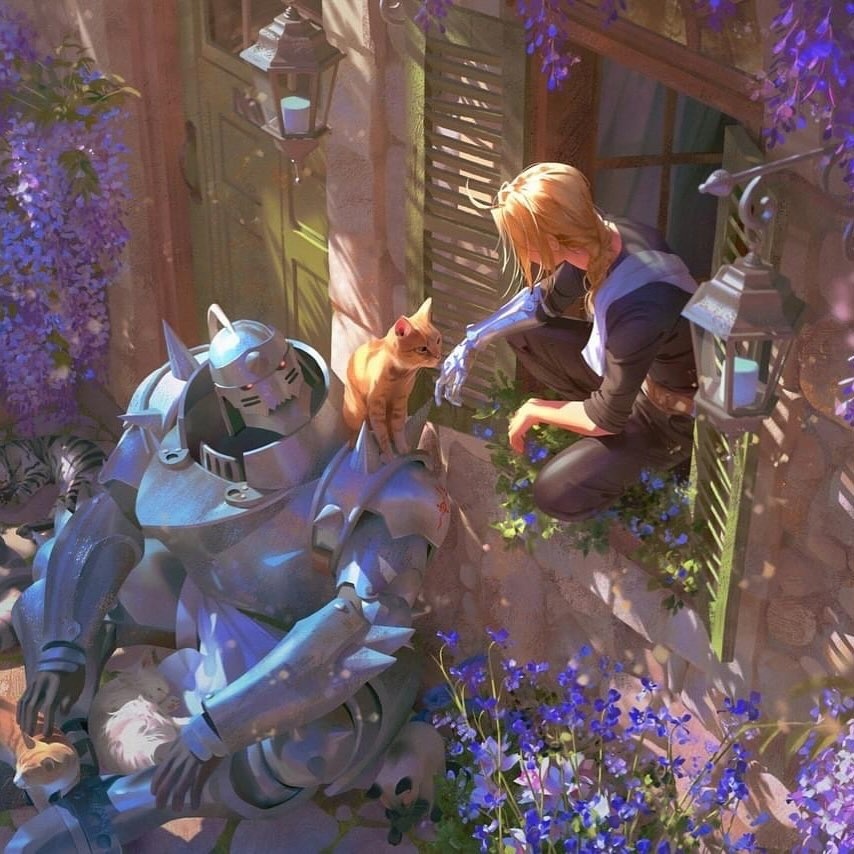
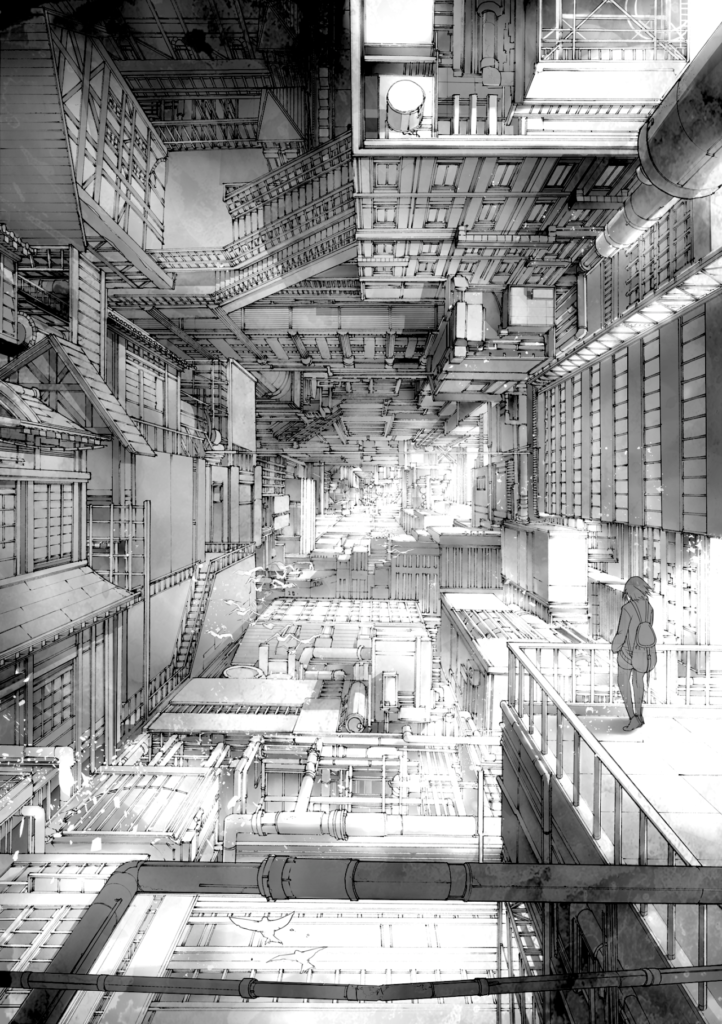
Tags: asia, china, dragon, future, I love Asia, illustration, manga, photo, robot
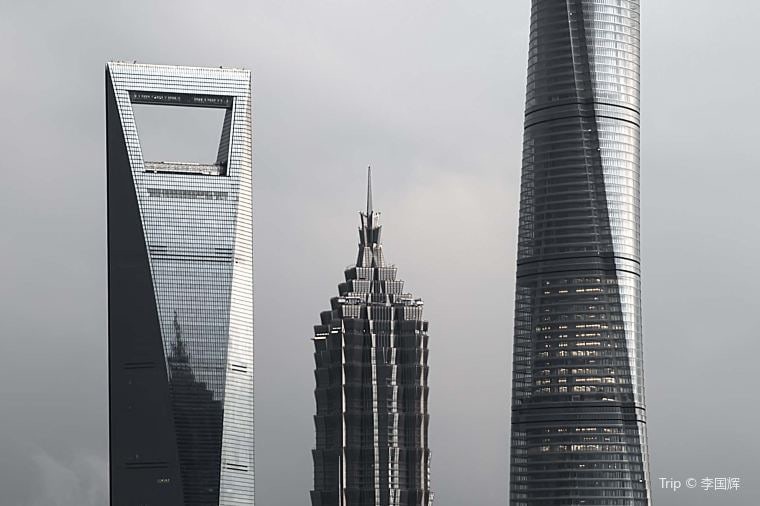
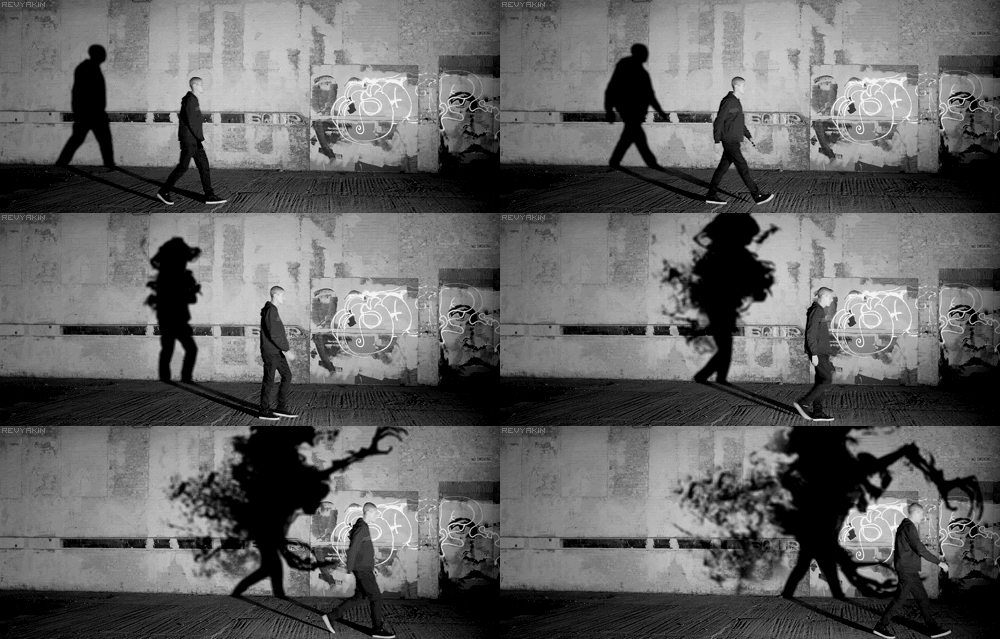
Posted by Vika Magnitskaya on 20 ноября, 2022 at 8:36 under art & design.
Tags: animated gif, animation, china, Shadows, skyscrapers
Posted by Vika Magnitskaya on 28 сентября, 2022 at 8:03 under art & design.
Tags: china, horror, manga girl, marilyn monroe, photo
Posted by Vika Magnitskaya on 29 марта, 2022 at 10:17 under art & design.
Tags: art & design, cat, china, design, girl, interior
Posted by Vika Magnitskaya on 28 марта, 2022 at 12:43 under art & design.
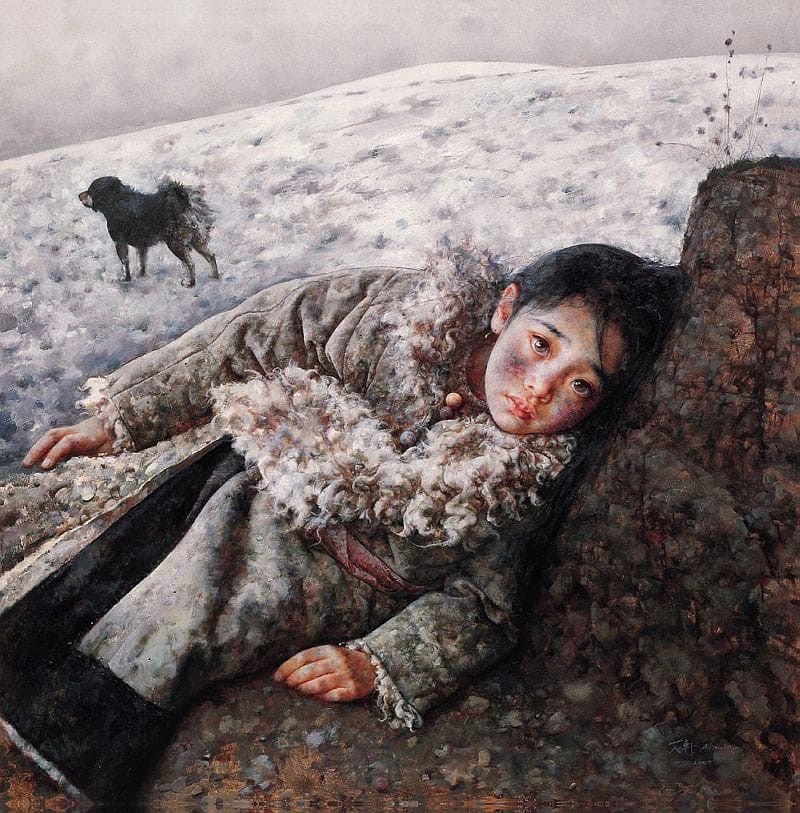
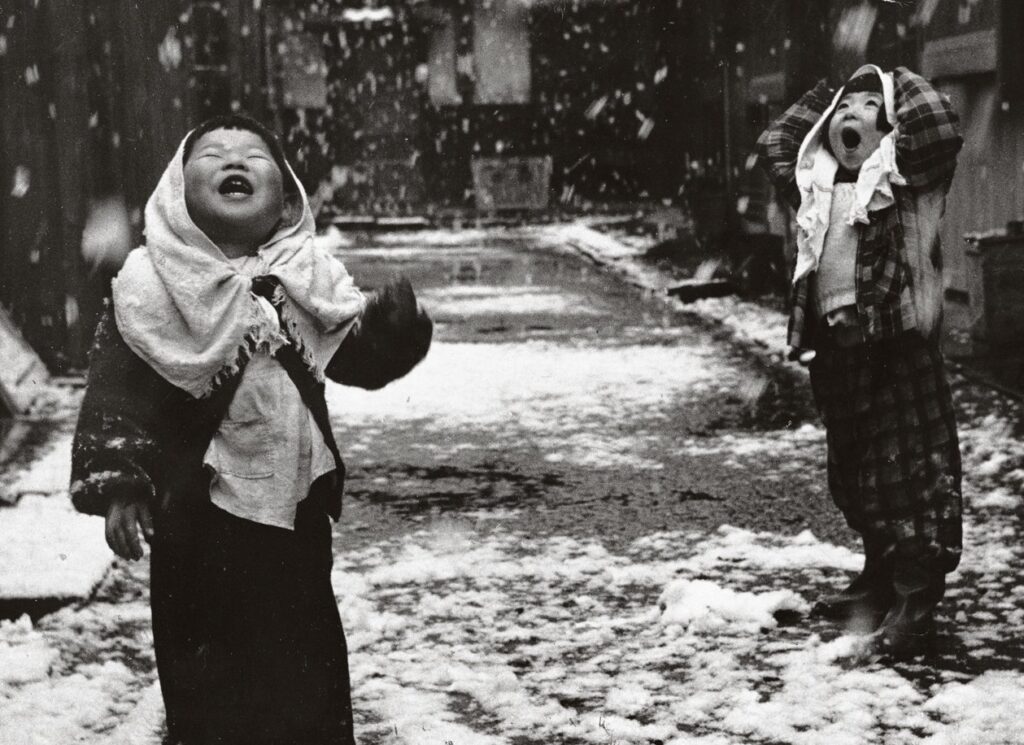
Tags: art & design, children, china, photo, snow, star
Posted by Vika Magnitskaya on 27 марта, 2022 at 11:10 under art & design.
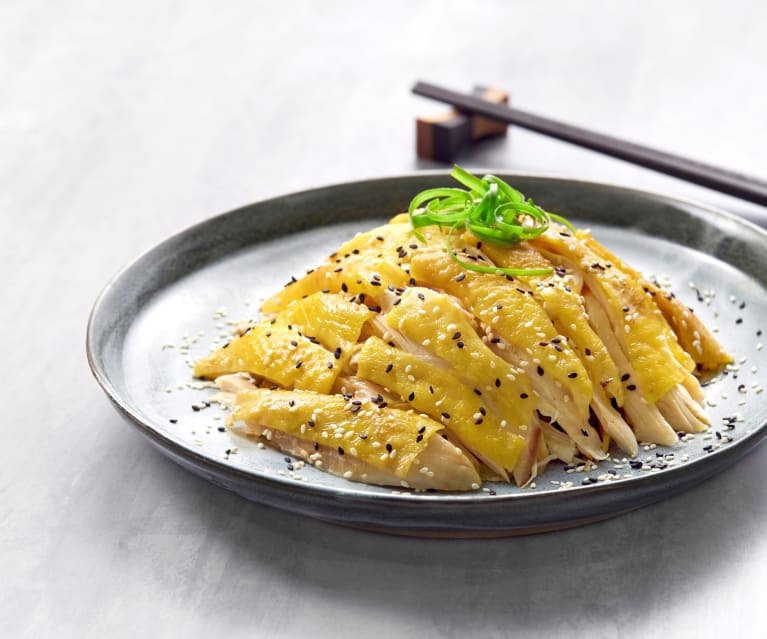
Tags: asia, china, design, food, manga girl, photo, retro
Posted by Vika Magnitskaya on 20 ноября, 2021 at 9:17 under art & design.
Tags: animated gif, china, creative design, fashion, fire, forest, future, illustration, monster, photo, unisex
Posted by Vika Magnitskaya on 3 ноября, 2021 at 9:27 under art & design.
Tags: anime, china, city, coffee, design, factory, manga, photo
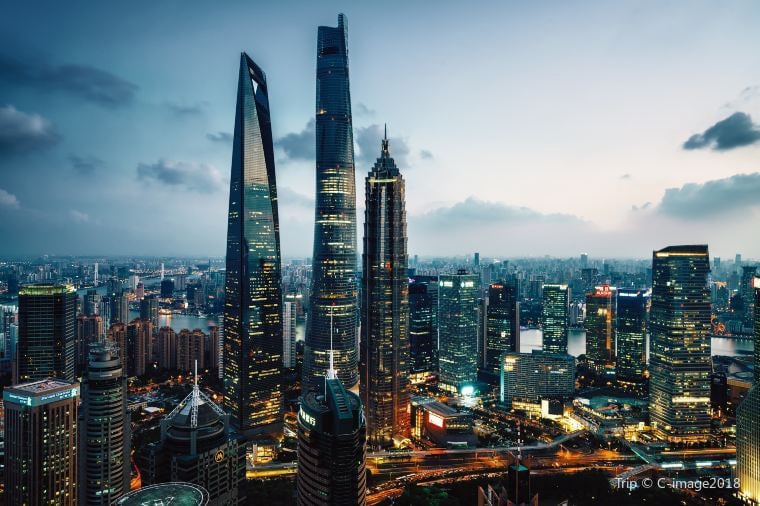
Posted by Vika Magnitskaya on 1 ноября, 2021 at 9:07 under art & design.
Tags: architecture, champagne, china, city, new, photo, tea, traditional